You're standing in the kitchen after dinner, looking at the counter, while your partner is already on the couch. You noticed the trash, the school form, and the empty soap. They didn't. That's the fight most chore chart couples are having. One person is running the household in their head. The other is waiting to be told.
Most couples don't argue because someone refuses to help. They argue because one partner is tracking everything while the other is guessing. A chart only helps if it shows three things at once: who owns the task, what is still outstanding, and how the other person can check progress without asking.
This guide walks through seven options that do that job in different ways. Some stay on cleaning. Some add groceries and bills. Some turn the week into a game. If the chart still needs a reminder text before anyone opens it, it isn't doing the job.
Table of Contents
- 1. Benny
- 2. Sweepy
- 3. Tody
- 4. Nipto
- 5. Flatastic
- 6. Homsy
- 7. Cozi
- How the seven chore chart options compare for couples
- Pick the Chart You Will Actually Check This Week
1. Benny
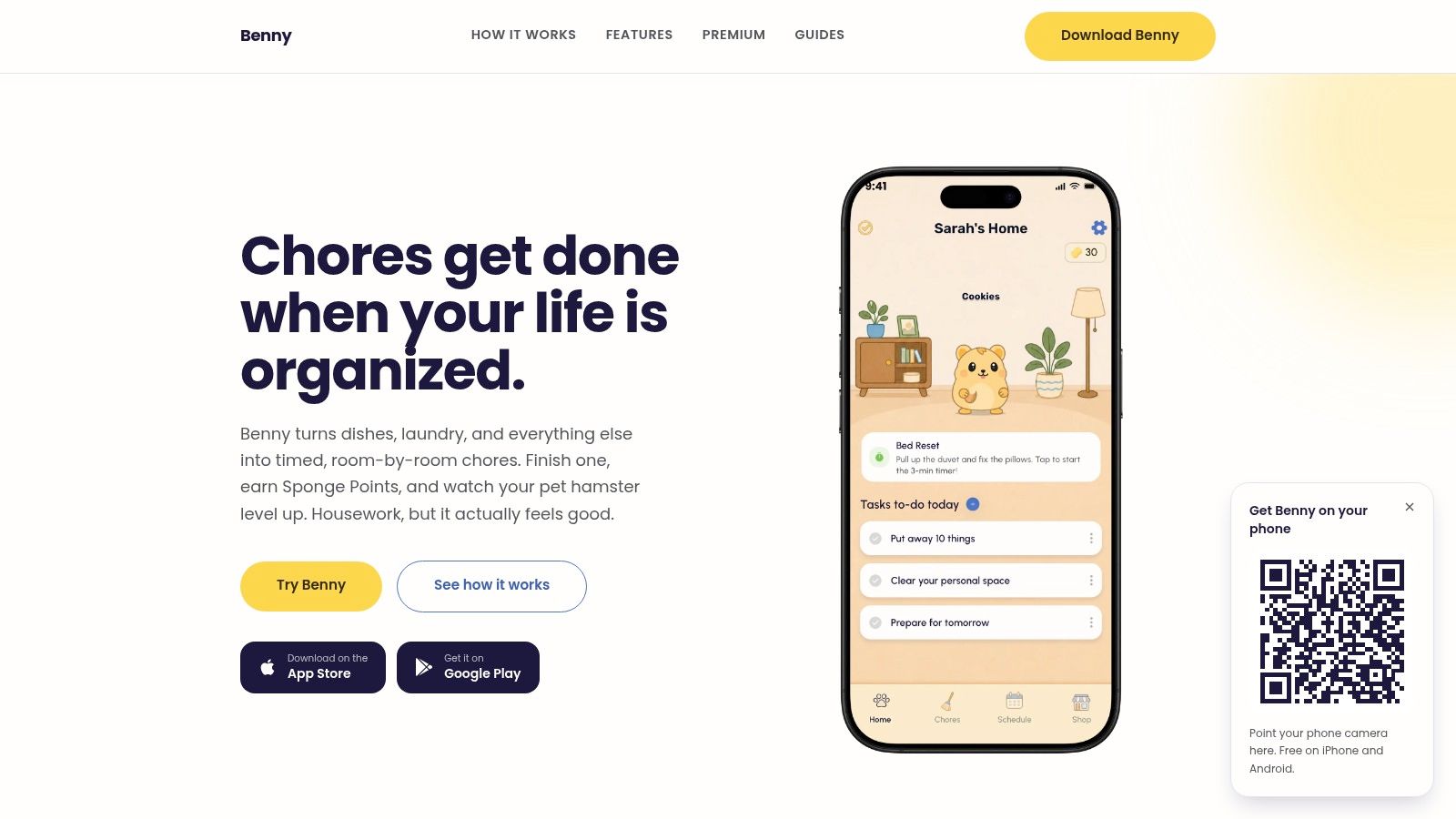
Start with the room, not a giant master list. In Benny, you add chores room by room, using presets for the kitchen, bathroom, bedroom, and living room, or naming your own. Each chore can be one-off or recurring on any interval you choose. The schedule shows what is due today and what is coming up, and a reminder goes out when a chore is due.
In a shared home, both of you see the same list and schedule, including who each chore is assigned to, what is done, and what is still waiting. You can check the bathroom without sending a "did you do it?" text. Chore names, schedules, and completion activity in that home are visible to the other members. It works across iPhone and Android, so different phones aren't a blocker.
What the timer changes
Every chore can have a timer. Say cleaning the bathroom is set to 15 minutes. You start the timer, work until it runs out, and tap finished. A chore earns Sponge Points only if it is finished before the timer runs out. Those points level up a virtual hamster and can be spent on accessories. I recommend the timer when one partner's "quick wipe" and the other's "full clean" never match. A shared clock is a standard you can both see.
The schedule, reminders, timers, and shared assignments are in the free app. Ads are included there. Premium adds widgets, filters, streak-protected snoozing and skipping, holiday and sick modes, mood-based smart chores, multiple homes, custom effort points, and an ad-free experience. The site doesn't list a subscription price. Billing runs through the App Store or Google Play.
The hamster will annoy couples who want a plain checklist. If that's you, use the shared list and ignore the pet. Ownership is the reason I still start here. A University of Bath announcement on a 2025 study of 2,133 partnered heterosexual U.S. parents found mothers carried an average of 13.72 mental to-do items versus 8.2 for fathers. A room preset doesn't capture birthdays and school forms. Add those as named chores with an owner, or the chart looks equal while one person still manages the house.
Practical rule: Assign the whole job, including noticing it's due, not just the scrubbing.
2. Sweepy
If the mess is the fight, not the calendar, Sweepy stays on cleaning. You work room by room, with suggested chores and your own tasks. A visual cleanliness indicator shows what needs attention next. Smart Schedule builds a list from the time you have, which beats a perfect weekly grid nobody follows on a late night.
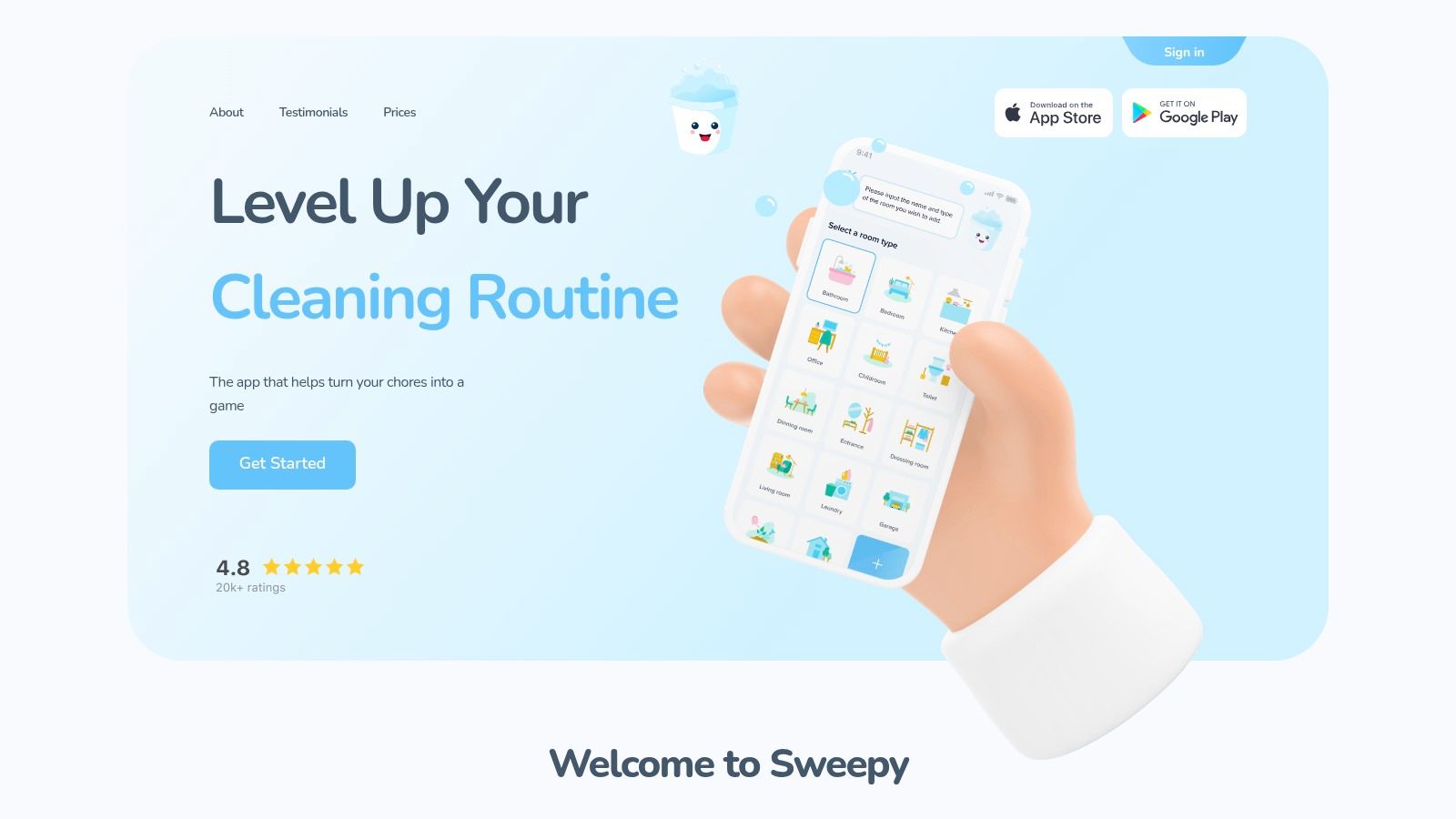
A shared household lets you assign chores, earn points, and see a leaderboard on iPhone and Android. It's free to start. Household sharing and some advanced tools may sit behind Premium.
- Room status: You can see which space is slipping before it becomes a speech.
- Time-based lists: A short evening gets a short plan instead of the whole house.
- Points: Useful as a private check. Risky if they turn into a contest about who cares more.
Sweepy won't run your grocery list or split a bill. I like that limit when the recurring argument is the bathroom and the floors.
A short list you both finish beats a full-house plan you abandon on Wednesday.
See the details on Sweepy.
3. Tody
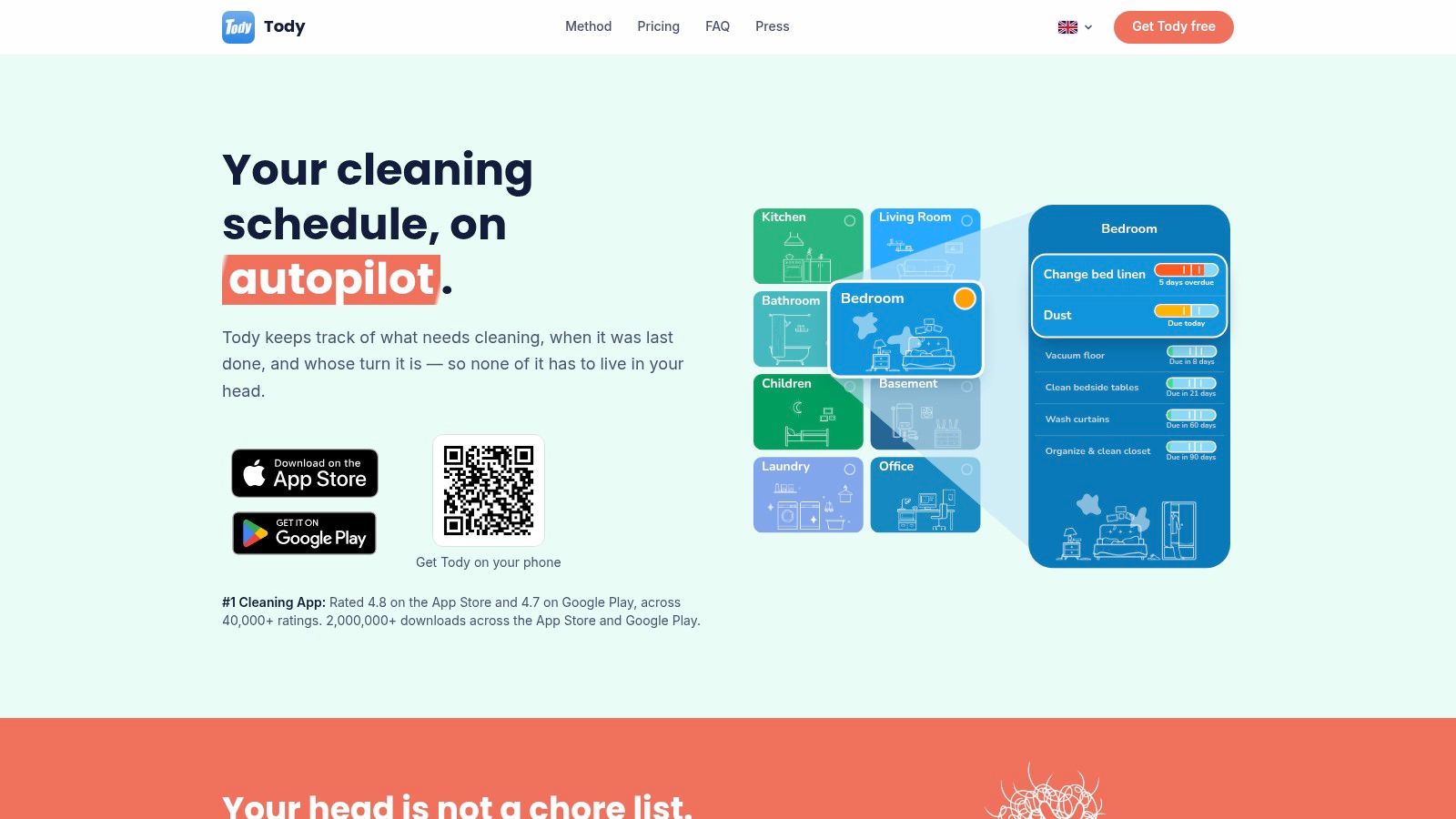
Weekly charts break when laundry isn't weekly. Tody tracks when each task is due instead of forcing every job onto the same day. The free individual plan is ad-free and includes due tracking, assignment, and automatic rotation. You can try the system before you pay to sync a second person.
Premium+ is where couples get the shared view: household sync, contribution targets, and FairShare reports. Premium also covers multiple homes and a Focus Timer. If you want to see who carried the recurring work, that report is the feature that matters, and it isn't on the free plan.
A German FReDA policy brief from a 2023 panel of adults aged 20–52 found women primarily responsible for laundry in 71% of cohabiting couples, cleaning in 66%, and cooking in 58%, while men were primarily responsible for repairs in approximately 80% of couples. Counting "five chores each" hides that split. Rotation plus a contribution report is closer to the truth than a tally of task names.
Tody still won't plan appointments or meals. For a repeating cleaning cadence, a chore schedule should put due dates where both partners can see them. Start at Tody.
4. Nipto
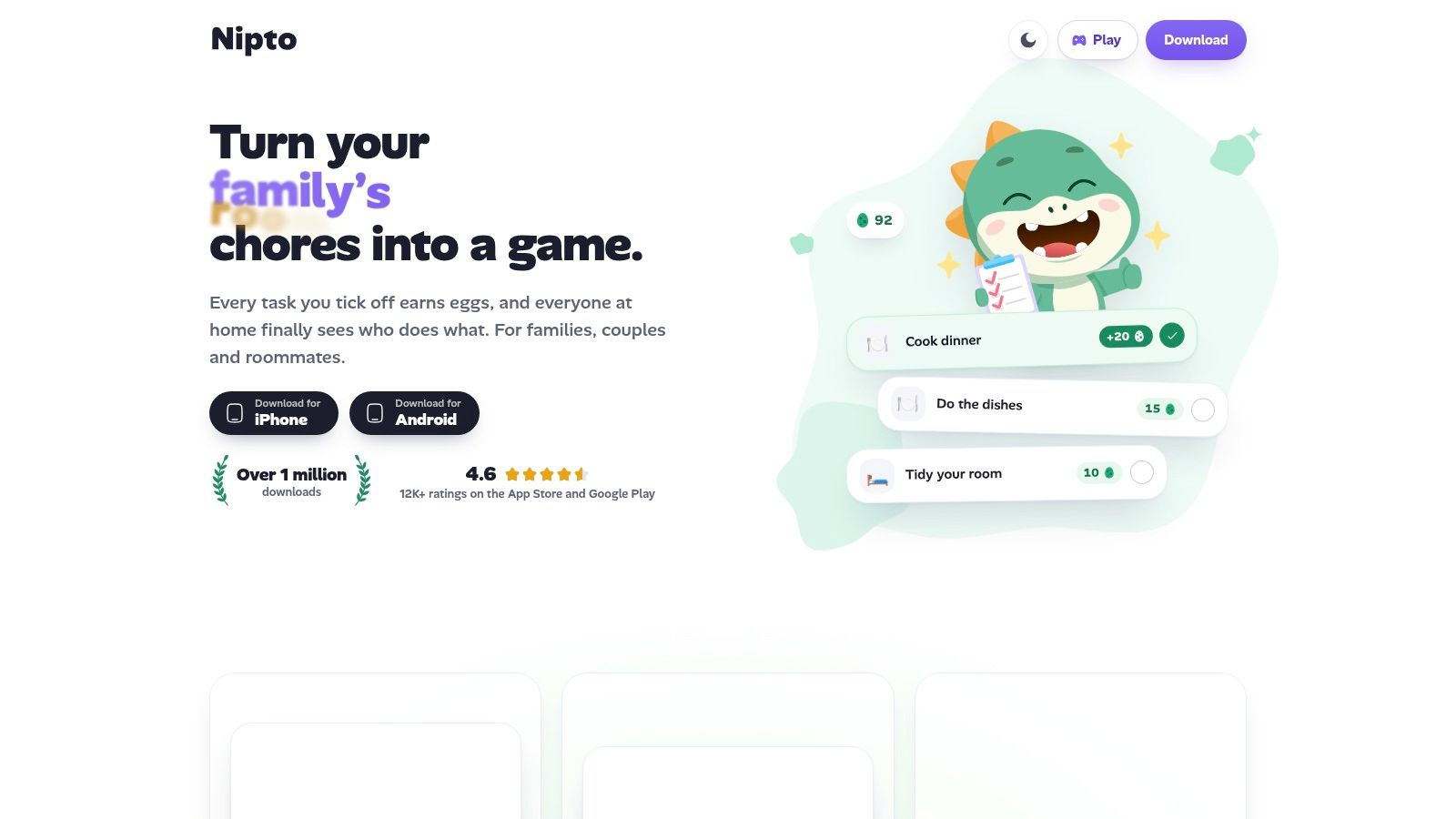
Some couples negotiate better when the week feels like a game they both opted into. Nipto schedules shared chores, sends reminders, and can rotate recurring tasks so you stop re-litigating whose turn it is. Points, weekly races, levels, and rewards sit on top. Household members can see tasks and contributions. It's on iPhone, Android, and the web. The official site reports 4.6 stars and more than 12,000 ratings across the App Store and Google Play.
A PLOS One study of 10,236 different-gender household partners found that 53.2% considered their housework division fair, compared with 79% who considered shared-expense allocation fair. A race can make effort visible. It can also make a tired week feel like losing. I wouldn't use weekly races if one of you already feels scored at home. Use the rotation and the shared history, and skip the leaderboard.
Some planning, history, and customization sit in Premium. Couples and roommates are both in the design, which helps if a third person shares the place. Look at Nipto before you turn the race on.
5. Flatastic
A chore chart can show who finished the cleaning, but couples may also need to track the shopping and bills that compete for time. Flatastic brings recurring chores, reminders, and task rotation together with shared grocery lists, expense tracking, bill splitting, and a pinboard. Browser access is useful if one partner would rather not add another phone app. The free download includes ads, with in-app purchases and paid options.
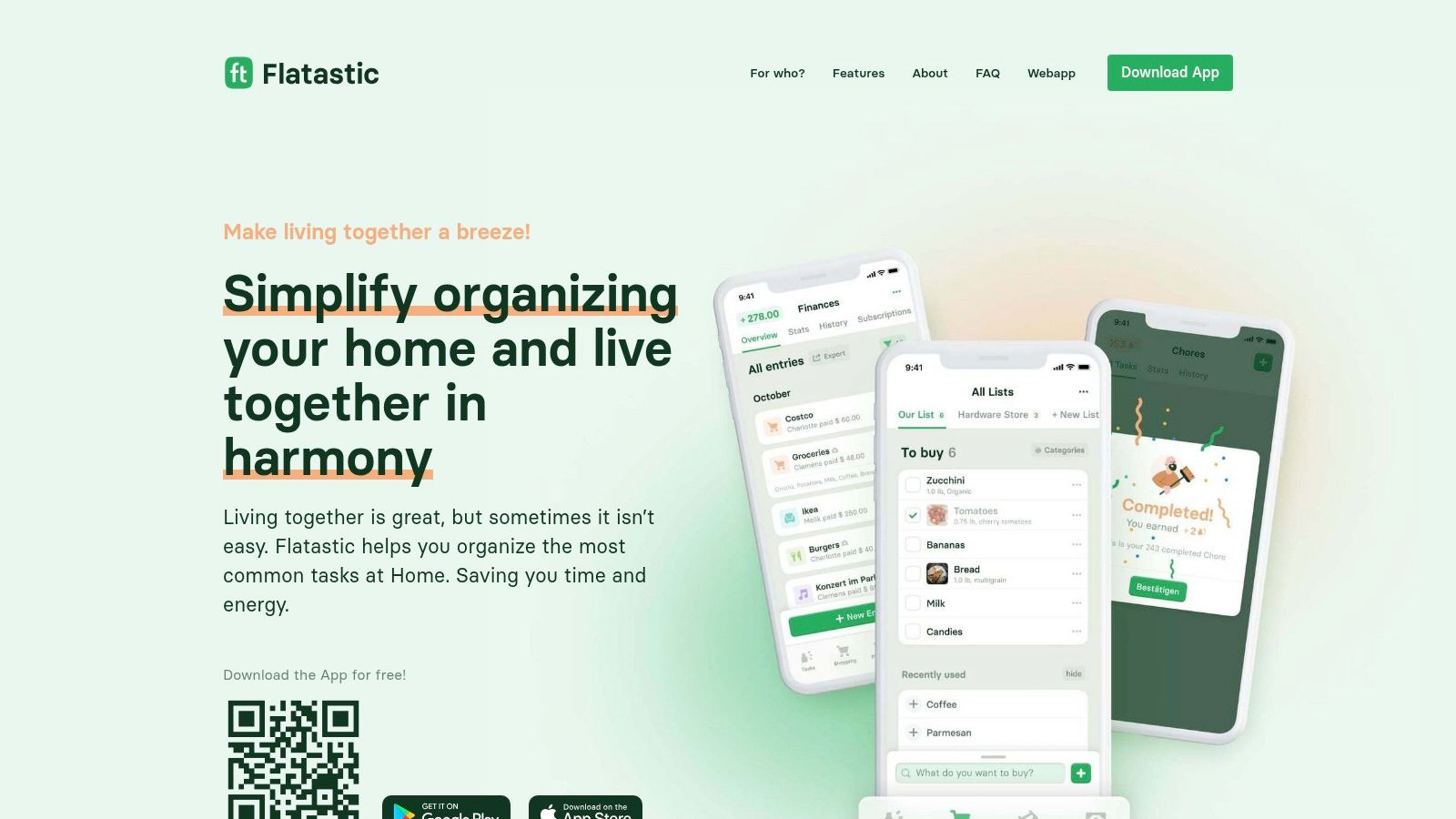
The trade-off is breadth. If you only need a cleaning chart, these extra lists may be more than you want to manage. If disagreements involve who shopped, paid, and cleaned, keeping those tasks in one shared record can make the full workload easier to check. Give each chore a named owner, then use the completion record to see what remains without asking.
Fairness does not come down to counting tasks. A 2025 U.S. experiment with a nationally representative sample of 1,502 adults found that respondents used spouses' relative earnings and work time to justify unequal housework. Arrangements where women did more housework were judged less fair than those where men did more, according to a Socius article. Record groceries and bills beside chores when those tasks are part of the disagreement, while keeping ownership clear with a shared chores list. See whether Flatastic fits the amount of household coordination you want in one place.
6. Homsy
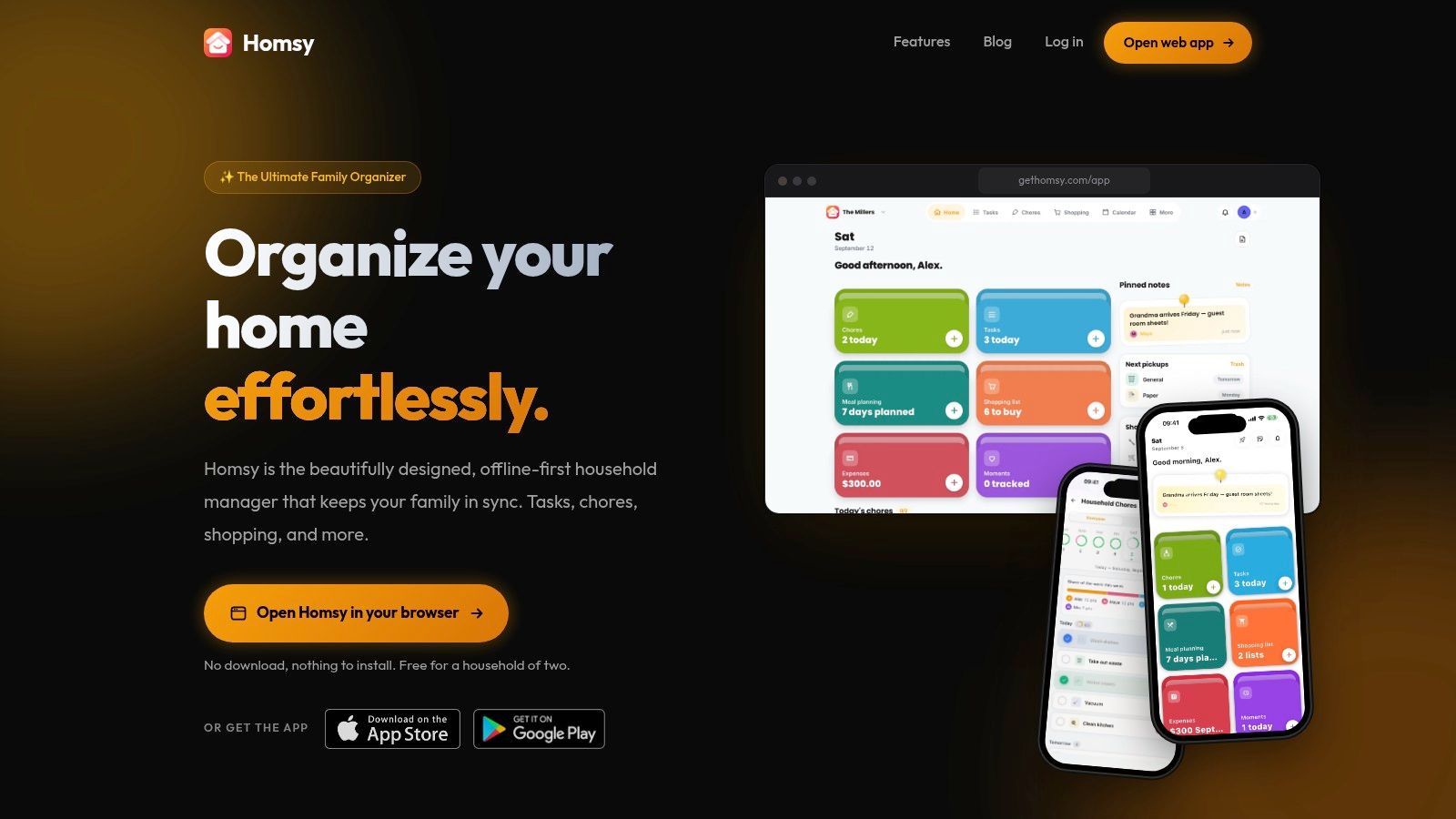
Homsy is a household dashboard. Daily, weekly, and monthly chores rotate automatically, with streaks, a shared calendar, and shopping lists. It also tracks utilities, pantry stock, and trash day. The official site says it's free for a household of two, with an offline-first design and real-time sync. Some calendar integrations are Homsy Pro.
In 2024, Australian women reported 22.3 hours of unpaid domestic work per week compared with 15.3 hours for men, according to Roy Morgan's summary of the Taking the Pulse of the Nation survey. Trash day and the pantry are part of those hours, and they rarely appear on a cleaning-only chart. Put them on the dashboard so neither of you has to remember them out loud.
The extra modules are wasted space if you only want floors and dishes. For a wider split, including how roommates divide the same rooms, this guide to splitting chores is a useful checklist before you turn on every module. Then decide if Homsy earns a daily open.
7. Cozi
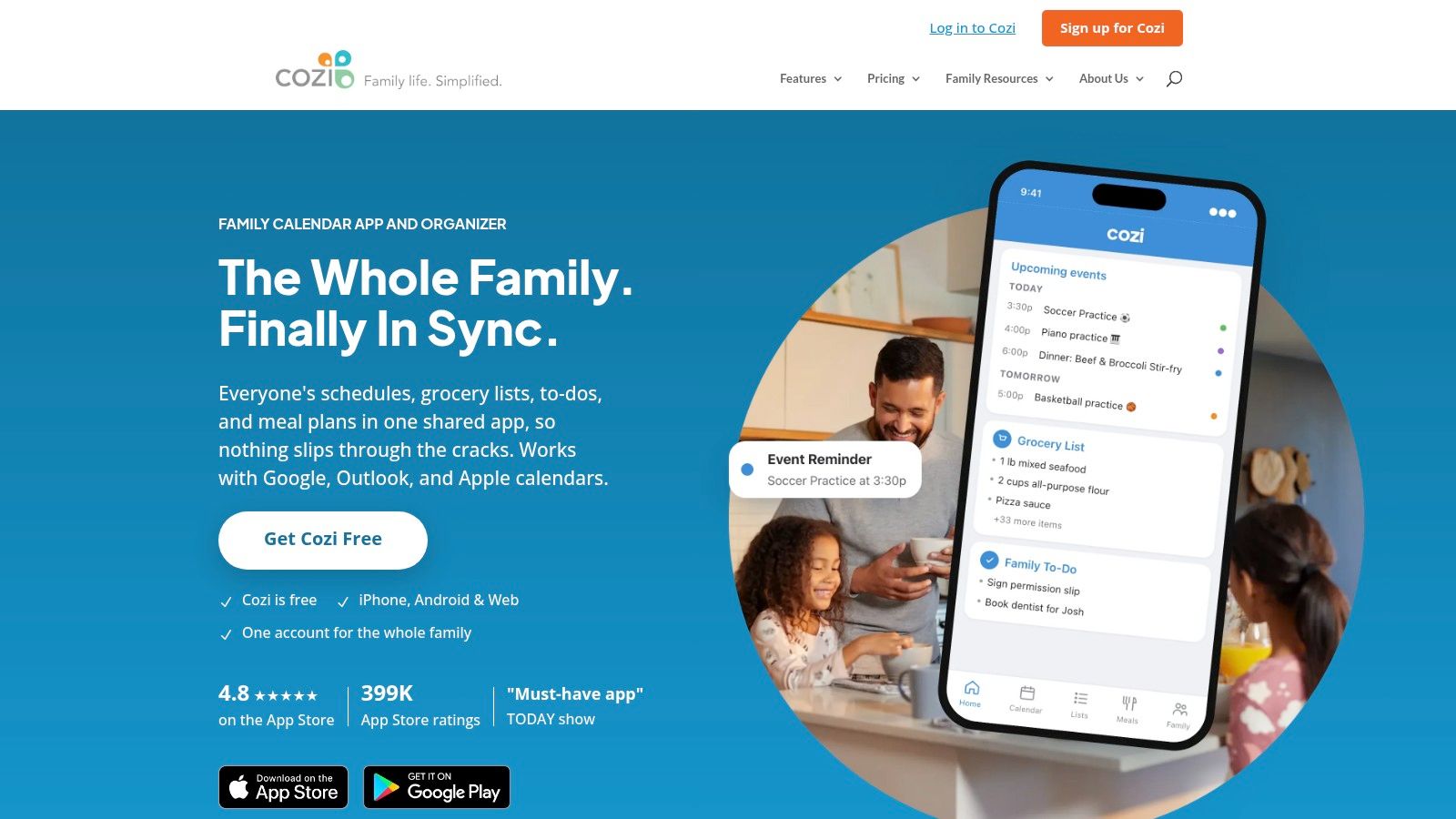
Cozi is a household organizer, not a cleaning engine. Shared to-do lists sit beside a shared calendar, shopping lists, and a recipe library. Use it when the invisible work is appointments, shopping, and meals, and the "chore" is whatever you type into a list.
- Free plan: Core calendar and list features, without a dedicated cleaning engine.
- Gold: Ad-free use, mobile month view, calendar search, and change notifications, billed annually.
- Max: AI-assisted event import and meal-planning features, also an annual subscription.
Don't expect automatic rotation or cleaning due dates. The listed features don't highlight those. A University of Alberta news release on a 2025 study of 520 people found that women contributed more housework than men from age 25 to 50, with no task primarily performed by men or equally shared. A family calendar won't fix that by itself. It will show the appointments one person has been holding. Assign each to-do to a name, or Cozi becomes a prettier version of the mental list.
How the seven chore chart options compare for couples
| Item | Shared visibility | Free plan | Best for |
|---|---|---|---|
| Benny | Shared chores, schedules, and completion status | Free core features; ads included | Playful chore scheduling with reminders and timers |
| Sweepy | Shared household chores and assignments; some sharing may require Premium | Free to start; some features may require Premium | Couples who want room-based cleaning plans |
| Tody | Household syncing requires Premium+ | Free individual plan with due tracking and chore rotation | Flexible cleaning schedules and individual task tracking |
| Nipto | Household members can view tasks and contributions | Free to use; some features require Premium | Couples who enjoy gamified chores and automatic turn-taking |
| Flatastic | Shared chores, shopping lists, and expenses | Free to download; ads and paid options | Households coordinating chores, groceries, and expenses |
| Homsy | Shared household dashboard, calendar, and shopping lists | Free for a household of two | Couples managing chores and wider household routines |
| Cozi | Shared calendar and household to-do lists | Free core calendar and list features | Couples coordinating chores alongside schedules, shopping, and meals |
Pick the Chart You Will Actually Check This Week
The best chart is the one both of you open without a nudge. The first three options fit couples whose fight is cleaning and due dates. Nipto fits couples who want rotation to feel lighter. Flatastic and Homsy fit homes where groceries, bills, or trash day are part of the same argument. Cozi fits when the calendar is the main load and chores are just another list.
In marriages where husbands and wives earn roughly similar incomes, Pew Research Center reported in 2023 that wives spent an average of 7.3 hours per week on housework, compared with 1.4 hours for husbands. Matching paychecks doesn't close that gap. A visible owner and a visible outstanding list do more than a promise to "split it."
Across OECD countries, women spent an average of 163 minutes per day on routine household tasks, compared with 73 minutes for men, in an OECD analysis. That's why I don't chase a perfect 50/50 count. Set the simplest chart that shows who owns each task and what is still outstanding. Put a review on the calendar four weeks out. Change owners when work hours, health, or parenting shift. Fairness usually comes from visibility, not matching task totals.
Benny turns a couple's housework into a room-by-room list you both can see, with recurring chores, reminders, and a shared view of what's assigned, done, and still waiting. If you want the chart to show ownership without another "did you do it?" text, start with the rooms you fight about. Visit Benny and put this week's chores where both of you can check them.
Crafted with Outrank app